Teeth Whitening Before and After - San Diego Patient Results
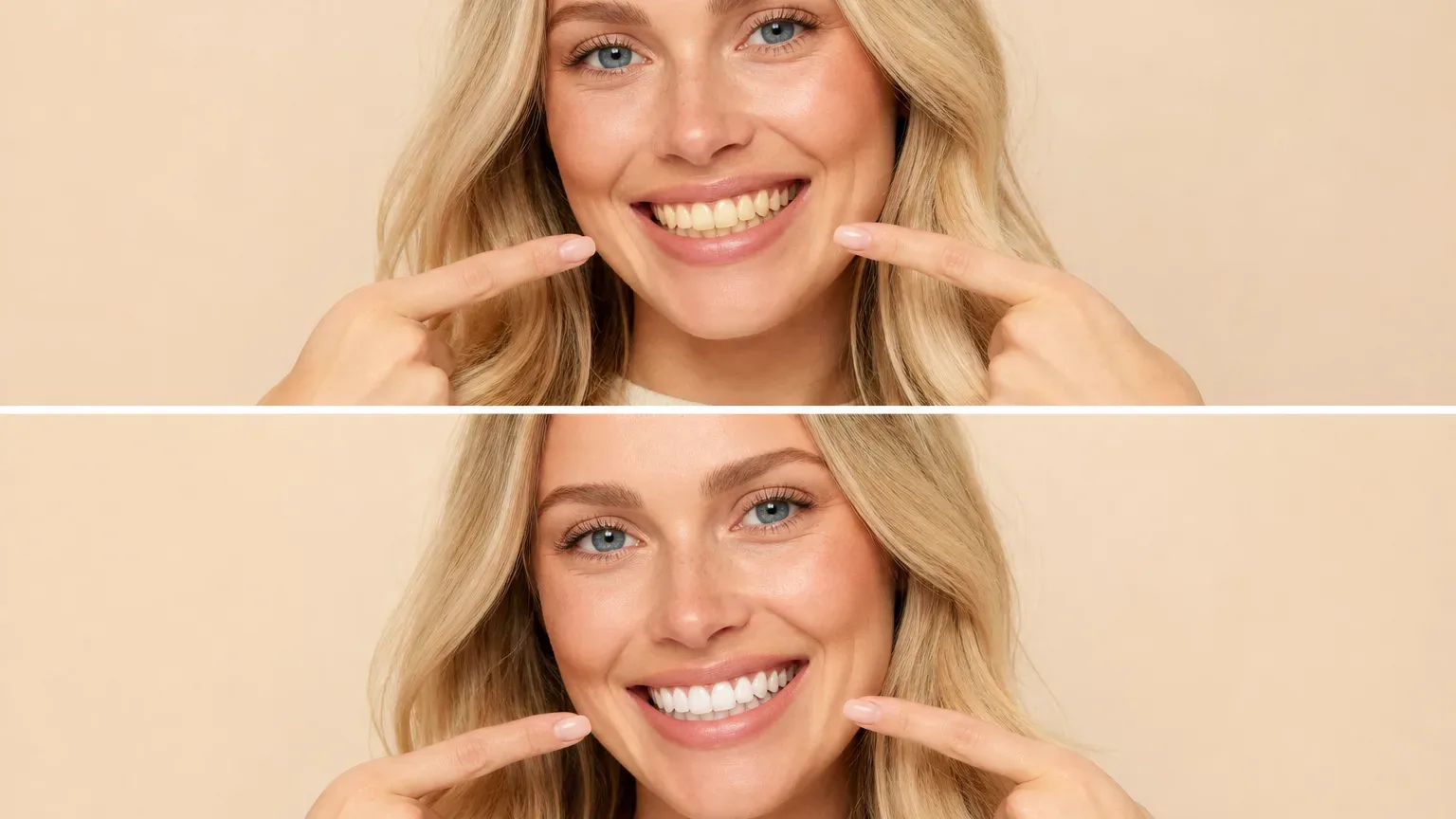
What Real San Diego Patients Actually See
Most patients who complete an in-office whitening session at a San Diego dental office leave with teeth that are visibly, photographably different. In-office Zoom-type treatments can lift shade by up to 6–10 shades, which is enough to move a heavily stained smile into the range most people associate with cosmetic work. Take-home custom trays from your dentist typically achieve 4–6 shades of improvement over two to three weeks of consistent use.
The difference between starting shade and finishing shade depends on the cause of the staining. Coffee, tea, and red wine stains respond quickly. Antibiotic-related discoloration or deep intrinsic staining may require more than one session or a combined approach.
How In-Office and Take-Home Results Compare
In-Office Whitening
A single in-office appointment in San Diego runs roughly 60–90 minutes from start to finish. The dentist applies a high-concentration peroxide gel directly to the teeth and activates it with a light or laser. Results are immediate: patients can compare before-and-after shade tabs at the end of the same visit. Pricing for in-office treatment ranges from $300–$600 per session, depending on the provider and the specific system used.
Zoom whitening is the most widely recognized system in this category. San Diego practices that use it report that patients with moderate staining often see the full shade improvement in a single session, while those with more stubborn staining may need a follow-up.
Take-Home Trays from Your Dentist
Custom trays differ from the generic strips sold at pharmacies. Your dentist takes impressions of your teeth and fabricates trays that fit precisely, which keeps the gel in contact with enamel rather than spreading onto the gums. Custom tray kits from a San Diego dentist typically cost $150–$400.
Patients wear the trays for 30–60 minutes daily, or overnight depending on the gel concentration. Most people notice visible change within the first week. The full 4–6 shade lift usually develops over two to three weeks of consistent use.
Teeth Whitening Before and After Results - What Influences Yours
Your result depends primarily on the original cause of your staining, the baseline shade of your enamel, and whether you stay consistent with the treatment plan. Surface stains from food and drink respond the most predictably. Genetic tooth color and enamel translucency set an upper boundary on how light your teeth can appear, regardless of product strength.
Age plays a role too. Younger patients often have more porous enamel, which absorbs gel quickly and shows fast results. Patients in their 40s and 50s may see equally dramatic shade changes but sometimes need slightly longer treatment.
Sensitivity is the most common side effect. A San Diego dentist can prescribe desensitizing gel or recommend a lower-concentration protocol if your teeth react strongly during treatment.
How Long Do Whitening Results Last
In-office whitening results typically last 12–24 months before noticeable fading, though this varies by diet and oral hygiene habits. Patients who drink coffee or red wine daily will see faster regression. Patients who use a straw, rinse after staining drinks, and touch up with custom trays every few months maintain results for longer.
Touch-up trays are cost-effective for this reason. Once you have your custom trays from your dentist, buying additional gel for periodic touch-ups is straightforward and much less expensive than a full repeat session. Many San Diego patients schedule a touch-up session before a wedding, reunion, or professional event.
Is Professional Whitening Worth It Compared to Over-the-Counter Products
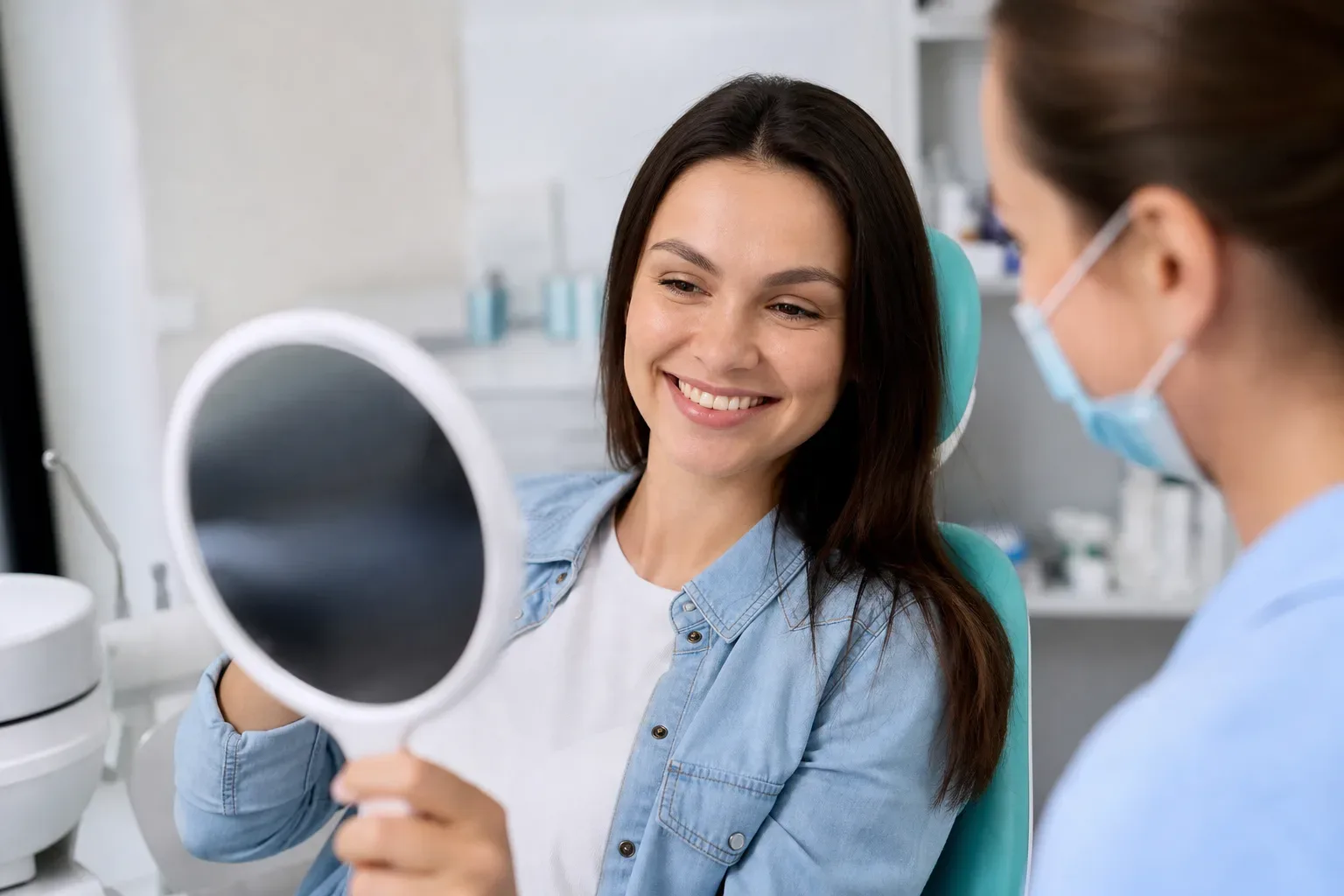
Professional whitening delivers a faster and more predictable result than store-bought strips because dental-grade peroxide concentrations are significantly higher. Over-the-counter products are legally capped at 10% carbamide peroxide. In-office gels can reach 35–40% hydrogen peroxide, applied safely under clinical supervision.
The custom-fit of dentist-made trays also matters. A poorly fitting tray exposes gum tissue to gel, causes irritation, and wastes product. Custom trays direct the gel exactly where it needs to go.
For patients with existing crowns, veneers, or bonding, this distinction becomes especially significant. Whitening gel does not change the shade of restorations. A dentist can evaluate your existing work and set realistic expectations before you commit to treatment.
How to Read Before and After Photos Honestly
Before-and-after photos are a useful reference point, but lighting, camera settings, and shade tab selection can influence how dramatic a transformation appears. A credible San Diego dental practice will show photos taken under consistent lighting with a shade guide visible in the frame.
Ask to see photos of patients with a starting shade similar to yours. A patient who begins at A3 and finishes at A1 tells you something different than a patient who begins at C4. Your dentist should be willing to show you your own starting shade and project a realistic finishing range before treatment.
Most practices in San Diego take clinical photos as part of their standard cosmetic consultation. Requesting these photos before committing is a reasonable step, not an unusual one.
What to Expect at a San Diego Whitening Consultation
A cosmetic consultation for teeth whitening is usually brief, often folded into a routine exam or a dedicated 20–30 minute appointment. The dentist checks for active cavities or gum disease first, since whitening gel on compromised tissue causes pain and delays healing. Any issues get addressed before whitening begins.
From there, the provider photographs your teeth, records your starting shade, and recommends either an in-office session, a custom tray kit, or a combination protocol based on your staining type and timeline. Many San Diego dental offices offer financing through third-party providers such as CareCredit or Sunbit, which allows patients to pay monthly rather than upfront.
If you are ready to see what your before-and-after result could look like, booking a consultation is the clearest next step. San Diego practices with cosmetic experience can give you a shade projection, walk you through realistic timelines, and match the treatment format to your schedule and budget.
Frequently Asked Questions
What Results Can I Expect from Teeth Whitening Before and After Treatment?
In-office whitening can lift tooth shade by up to 6–10 shades in a single session. Take-home custom trays from a dentist typically achieve 4–6 shades of improvement over two to three weeks. Results vary based on the cause of staining, your natural enamel shade, and how consistently you follow the treatment plan.
How Long Does Teeth Whitening Last?
In-office whitening results typically last 12–24 months before noticeable fading. Patients who drink coffee, tea, or red wine regularly will see faster color regression. Periodic touch-ups using custom trays and dentist-supplied gel can extend results significantly.
How Much Does Teeth Whitening Cost in San Diego?
In-office whitening in San Diego ranges from $300–$600 per session. Custom take-home tray kits from a San Diego dentist cost $150–$400. Many practices offer financing through providers like CareCredit or Sunbit so patients can pay in monthly installments.
Is Professional Teeth Whitening Better Than Over-the-counter Strips?
Professional whitening uses much higher peroxide concentrations than store-bought products, delivering faster and more predictable results. Custom-fit trays from your dentist keep the gel where it belongs and reduce gum irritation. A dentist can also evaluate existing crowns or veneers and set realistic expectations before treatment starts.
Who Is a Good Candidate for Teeth Whitening in San Diego?
Most adults with surface staining from coffee, tea, wine, or tobacco are strong candidates. Patients with active cavities or gum disease need those issues treated first. People with crowns, veneers, or bonding should consult a dentist, since whitening gel does not change the shade of restorations.