Emergency Dentist San Diego
A broken tooth, sudden abscess, or knocked-out tooth does not wait for a convenient appointment slot. San Diego residents have access to dental offices that handle urgent cases the same day, often within hours of a call. Knowing where to go and what to expect can save a tooth and a significant amount of pain.

What Counts as a Dental Emergency
Not every toothache is an emergency, but several situations demand immediate care. A dental abscess, which is a pus-filled infection at the root of a tooth, can spread to surrounding tissue and become dangerous within days. A fully knocked-out tooth has the best chance of being saved if you reach a dentist within 30–60 minutes. Severe swelling, uncontrolled bleeding after an extraction, a cracked tooth exposing the nerve, and a lost crown over a sensitive tooth all qualify as urgent.
Mild sensitivity to hot and cold usually does not require a same-day visit. Sharp, constant pain that disrupts sleep or eating absolutely does.
Emergency Dentist Open Now San Diego
Many San Diego dental offices hold same-day appointment slots specifically for urgent cases, and calling ahead early in the day gives you the best chance of being seen within hours. Offices across neighborhoods from Mission Valley to La Jolla and Chula Vista typically reserve a portion of their schedule for walk-in and emergency calls. If your regular dentist cannot accommodate you, a dedicated emergency dental clinic is the next call to make.
When you call, describe your symptoms clearly: location of pain, presence of swelling, whether you have a fever, and how long the problem has been developing. That information lets the front desk triage you accurately and prepare the operatory before you arrive.
What to Do While You Wait
Over-the-counter ibuprofen or acetaminophen can reduce inflammation and pain temporarily. Do not apply aspirin directly to the gum tissue. For a chipped or broken tooth, rinse with warm salt water and cover sharp edges with temporary dental cement, available at most pharmacies. Keep the area clean but avoid prodding it.
Emergency Tooth Loss Treatment San Diego
If a permanent tooth is knocked out, handle it by the crown, not the root, rinse it gently with clean water, and place it back in the socket or store it in milk or your own saliva while you travel to the dentist. Dry storage kills the periodontal ligament cells that allow successful re-implantation. Time is the critical variable here: every minute outside the mouth reduces the likelihood of saving the tooth.
For a tooth that cannot be re-implanted, a San Diego dentist will discuss replacement options at your visit. A single-tooth dental implant is the most durable long-term solution, typically ranging from $3,000 to $5,000 including the post, abutment, and crown. Bone grafting, if needed, adds to that cost. A temporary flipper or bridge can restore appearance and function while you plan the permanent restoration.
How Much Does Emergency Dental Care Cost in San Diego
An initial emergency exam and X-rays typically cost $50–$200 before any treatment begins. That fee covers the consultation needed to diagnose the problem. Treatment is billed separately and varies widely depending on what the dentist finds.
A root canal on a single tooth runs $700–$1,500 depending on whether the affected tooth is an anterior tooth or a molar. A routine dental cleaning with exam costs $100–$250 without insurance. Most San Diego dentists accept PPO dental insurance, though HMO and Medicaid acceptance varies by office. For patients without coverage, many practices offer financing through third-party providers such as CareCredit or Sunbit.
Terms vary by provider and credit approval, so ask about options when you book.
Will Insurance Cover an Emergency Visit
Most PPO dental plans cover a portion of emergency exams and X-rays, often at 80–100 percent after the deductible. Restorative work such as fillings, crowns, or root canals is usually covered at 50–80 percent under standard major-services benefits. Call your insurer while traveling to the clinic if you want a benefit estimate before treatment, though most offices will submit the claim on your behalf.
Patients without insurance are not left without options. Ask the front desk about in-house membership plans, which some San Diego offices offer as an alternative to traditional insurance. These annual plans bundle preventive care and offer discounted rates on restorative treatment.
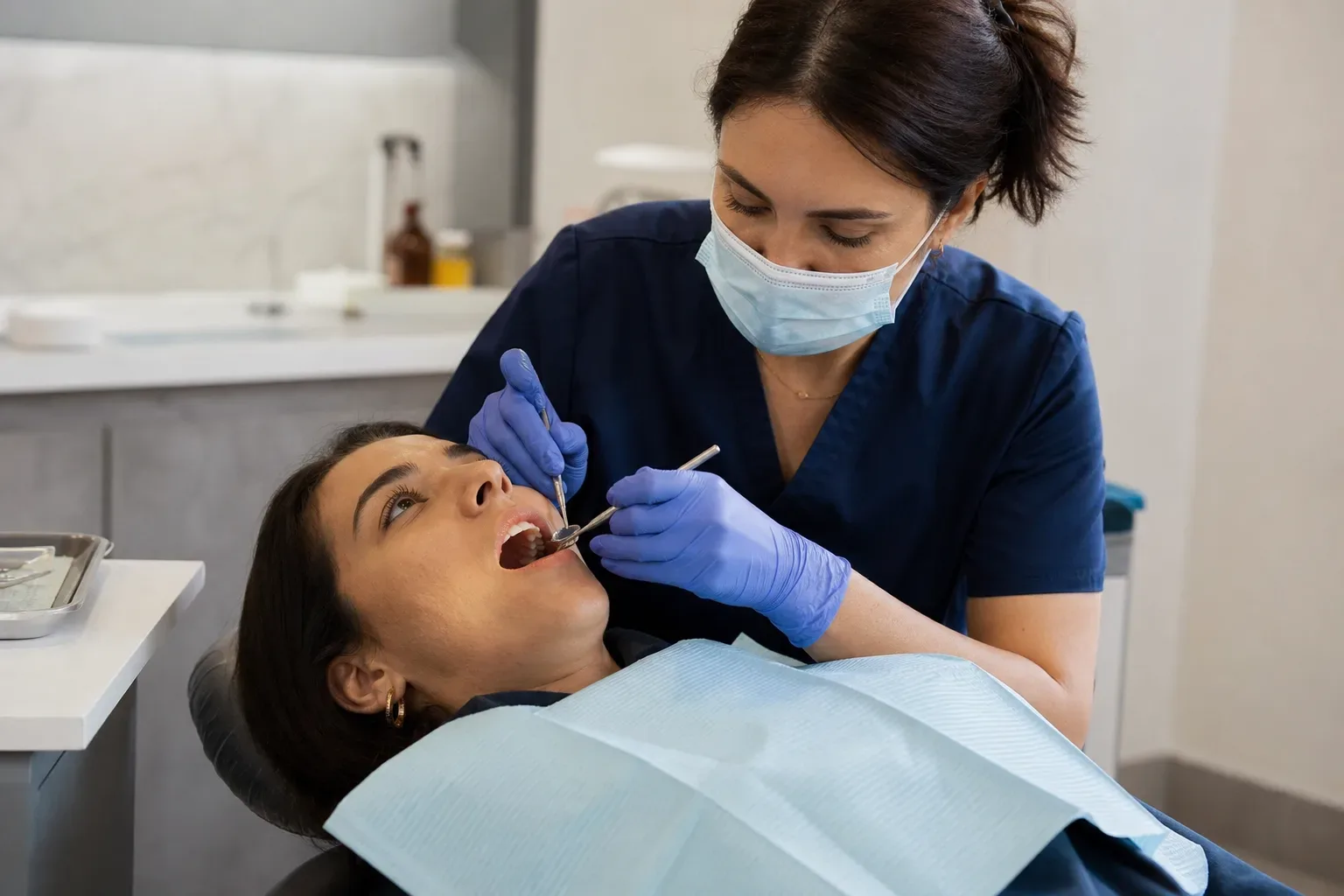
Common Emergency Treatments and What to Expect
A dental abscess is usually treated with drainage and a prescription antibiotic to control the infection, followed by a root canal or extraction depending on the tooth's prognosis. Pain relief is typically noticeable within 24–48 hours of starting antibiotics, though the definitive treatment resolves the source.
A cracked tooth may need a crown to hold it together, or an extraction if the crack extends below the gum line. Same-day crowns using CAD/CAM technology are available at some San Diego offices, reducing the process to a single visit. A lost filling or broken crown is temporarily restored with adhesive cement until a permanent solution is placed.
For a severely damaged tooth that requires removal, implant planning can begin at the same appointment. Some patients qualify for immediate implant placement at the time of extraction, though a consultation and bone density evaluation are required before that determination is made.
How to Find the Right Emergency Dentist in San Diego
Search for offices that advertise same-day emergency appointments and confirm their hours by phone before driving in. Weekend and evening availability matters if your problem occurs outside standard business hours. Offices in densely populated areas like Downtown San Diego, North Park, and Escondido tend to have more scheduling flexibility than smaller suburban practices.
Read recent patient reviews with an eye toward comments on wait times and how staff handled urgent calls. A practice that answers the phone promptly, explains costs upfront, and provides clear post-treatment instructions is the kind of provider worth staying with for ongoing care.
Once the emergency is resolved, schedule a follow-up within two weeks to assess healing and confirm the treatment plan for any remaining work. Dental emergencies often reveal underlying issues, from gum disease to hairline fractures, that are far easier to manage when caught early.
Frequently Asked Questions
Emergency Dentist Open Now San Diego
Many San Diego dental offices reserve same-day slots for urgent cases. Call early in the day and describe your symptoms clearly so staff can triage you quickly. If your regular dentist is unavailable, dedicated emergency dental clinics across the city can often see you within a few hours.
Emergency Tooth Loss Treatment San Diego
Handle a knocked-out tooth by the crown, rinse it gently, and place it back in the socket or store it in milk while you travel to a dentist. Re-implantation is most successful within 30–60 minutes of the injury. If the tooth cannot be saved, a single-tooth dental implant ($3,000–$5,000 including post, abutment, and crown) is a durable permanent replacement option.
How Much Does an Emergency Dental Visit Cost in San Diego?
An emergency exam and X-rays typically cost $50–$200 before any treatment. Restorative work is billed separately: a root canal runs $700–$1,500 depending on the tooth, and a dental crown adds to that total. Many San Diego offices offer financing through providers like CareCredit or Sunbit for patients paying out of pocket.
What Qualifies as a Dental Emergency?
A dental abscess, knocked-out or cracked tooth exposing the nerve, severe swelling, uncontrolled bleeding, and intense pain that disrupts sleep or eating all require same-day care. Mild temperature sensitivity or a minor chip that causes no pain can usually wait for a scheduled appointment.
Will My Dental Insurance Cover an Emergency Visit in San Diego?
Most PPO dental plans cover emergency exams and X-rays at 80–100 percent after the deductible, with major restorative work covered at 50–80 percent. HMO and Medicaid acceptance varies by office. Patients without insurance should ask about in-house membership plans or third-party financing options when they call to book.