Dental Implants San Diego

What Dental Implants Actually Replace
A dental implant replaces the entire tooth, root included. A titanium post is placed into the jawbone, an abutment connects to it, and a porcelain crown sits on top. The result looks and functions like a natural tooth, and neighboring teeth don't need to be altered the way they would for a traditional bridge.
Most patients in San Diego complete the full process over three to six months. The timeline accounts for osseointegration, the period when the titanium post fuses to the jawbone. Some patients qualify for faster protocols, which are covered below.
How Much Do Dental Implants Cost in San Diego?
A single-tooth implant in San Diego typically runs $3,000–$5,000, covering the implant post, abutment, and crown. Bone grafting, if your jawbone needs building up before the post can be placed, is billed separately and adds to the total.
Full-arch restoration using All-on-4 dental implants is priced per arch at $20,000–$30,000. That figure represents one arch, upper or lower, not both together. Patients replacing both arches should budget accordingly before the first consultation.
Many San Diego dental offices offer financing through third-party providers such as CareCredit or Sunbit. Terms vary by provider and credit approval, so ask about monthly payment options during your consultation rather than assuming a specific rate.
Does Insurance Cover Dental Implants?
Most PPO dental insurance plans cover a portion of implant-related costs, though coverage limits vary widely. HMO and Medicaid acceptance differs by office, so call ahead to confirm what your specific plan covers before scheduling. Bringing your insurance card and a benefits summary to the consultation saves time and avoids surprises.
Single Implants vs. All-on-4 - Which Is Right for You?
Single implants make the most sense for patients who are missing one tooth or a few non-adjacent teeth and have adequate bone density at each implant site. Each implant functions independently, which means one failing does not compromise the others.
All-on-4 dental implants are designed for patients who have lost most or all of their teeth in an arch, or who are facing full-arch extractions. Four strategically angled implants anchor a fixed prosthetic arch. The angled placement often makes All-on-4 viable even when bone volume is reduced, reducing the need for extensive grafting.
The right choice depends on bone structure, the number of missing teeth, overall oral health, and budget. A cone-beam CT scan, standard at most San Diego implant consultations, gives the dentist precise bone measurements before recommending a plan.
What the Implant Process Looks Like Step by Step
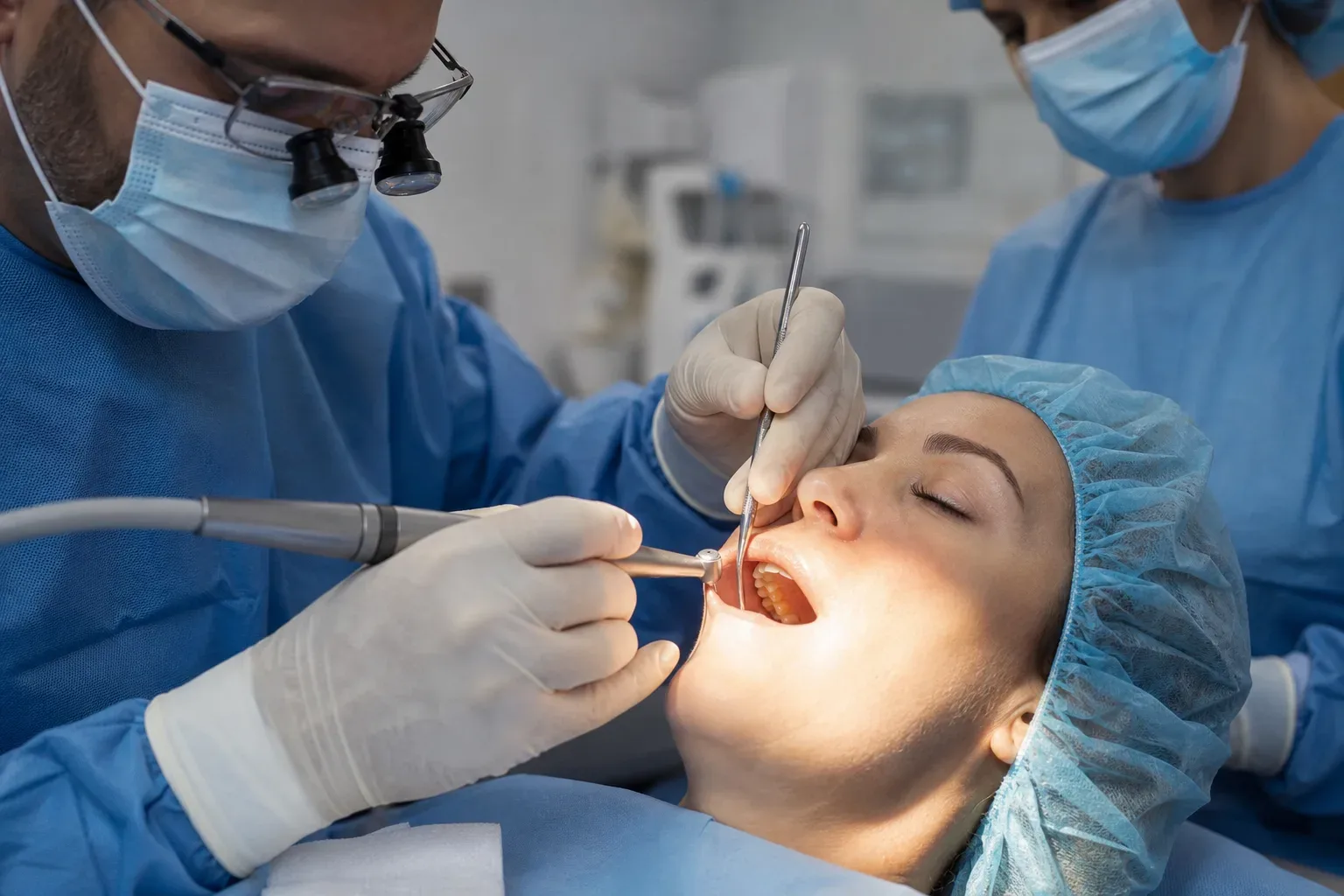
The consultation and imaging come first. From there, any preparatory work such as extractions or bone grafting is completed and allowed to heal. The implant post is then placed surgically under local anesthesia, sometimes with sedation options available.
Osseointegration takes roughly three to six months, during which a temporary crown or denture keeps the smile functional. Once the post has fully integrated, the permanent crown or prosthetic arch is attached and adjusted for bite. Follow-up visits confirm fit and long-term stability.
Patients typically describe post-surgical discomfort as manageable with over-the-counter pain relief for two to four days. Swelling usually peaks around 48 hours and subsides within a week. Sticking to soft foods during the healing phase protects the surgical site.
Candidacy - Who Qualifies for Dental Implants?
Most adults in good general health with sufficient jawbone density are candidates for dental implants. Active gum disease must be treated before implant placement begins, and uncontrolled diabetes or heavy smoking can slow healing and affect success rates. Those concerns don't automatically disqualify someone; they require a frank conversation with the treating dentist.
Age matters on the younger end. Implants are generally not placed until jawbone development is complete, which is typically around 18 for women and slightly later for men. There is no upper age limit if systemic health supports the procedure.
Bone grafting expands candidacy for patients who have experienced significant bone loss after tooth extraction. Waiting too long after losing a tooth accelerates bone resorption, which is one reason early evaluation is worth scheduling sooner rather than later.
Why San Diego Patients Choose Implants Over Alternatives
Dentures and bridges solve the visible gap, but neither replaces the tooth root. Without a root, the jawbone beneath a missing tooth gradually resorbs. Implants transmit chewing forces into the bone the way natural roots do, helping to maintain bone volume over time.
Bridges require grinding down the two healthy teeth on either side to serve as anchors. Patients who want to preserve intact neighboring teeth often prefer implants for that reason alone. Maintenance is also simpler: implants are brushed and flossed like natural teeth rather than requiring adhesives or removal.
Long-term cost is another consideration. A well-maintained implant can last decades. Bridges and dentures typically need replacement or adjustment within 10–15 years, which adds up over a lifetime of dental care.
How to Find a Qualified Implant Dentist in San Diego
Look for a dentist or oral surgeon with documented implant training and a clear process for sharing before-and-after cases. Board certification in oral and maxillofacial surgery or a periodontist's credential signals focused expertise, though general dentists with advanced implant training place implants successfully as well.
Ask specifically how many implants the provider places each month. A high-volume practice tends to have a refined surgical protocol and experienced support staff. Request a written treatment plan that itemizes costs before committing.
San Diego has a competitive dental market, meaning multiple consultations are practical and common. Free or low-cost implant consultations are widely available across neighborhoods from La Jolla to Chula Vista. Use that access to compare approaches and build confidence in your choice.
Taking the Next Step
Schedule a consultation with a San Diego implant dentist to get accurate, personalized figures for your specific situation. Bring any recent dental X-rays if you have them; the office will likely take a cone-beam CT scan regardless, but prior imaging speeds the intake process.
Ask the office directly about financing options, insurance verification, and whether same-day or immediate-load protocols might apply to your case. A clear treatment plan with itemized pricing puts you in control of the timeline and the budget.
Frequently Asked Questions
What Are Immediate Load Dental Implants in San Diego?
Immediate load dental implants, sometimes called same-day implants, allow a temporary crown or prosthetic to be attached to the implant post on the same day as surgery, rather than waiting months for osseointegration before adding the restoration. Not all patients qualify; adequate bone density and low infection risk are required. A consultation and cone-beam CT scan are needed to determine candidacy. San Diego dental offices that offer this protocol will confirm eligibility during your initial evaluation.
How Long Do Dental Implants Last?
A well-placed and properly maintained dental implant can last several decades, with many lasting a lifetime. The crown attached to the implant may need replacement after 15–25 years due to normal wear. Good oral hygiene, routine cleanings, and avoiding habits like teeth grinding extend the lifespan of both the implant and the crown.
Is the Dental Implant Procedure Painful?
Most patients report that the procedure itself is not painful because it is performed under local anesthesia, sometimes combined with sedation. Post-surgical discomfort is typically manageable with over-the-counter pain relief and usually resolves within a few days. Swelling peaks around 48 hours after surgery and subsides within about a week.
How Much Do All-on-4 Dental Implants Cost in San Diego?
All-on-4 dental implants in San Diego are priced per arch at $20,000–$30,000. That figure covers one arch, either upper or lower, not both combined. Patients replacing both arches need to budget for two separate arch restorations. Many offices offer financing through providers like CareCredit or Sunbit, with terms depending on credit approval.
Can I Get Dental Implants If I Have Bone Loss in My Jaw?
Bone loss does not automatically disqualify you from dental implants. Bone grafting can rebuild volume at the implant site, and All-on-4 dental implants are specifically designed with angled posts that often work with reduced bone volume without requiring extensive grafting. A cone-beam CT scan taken during your consultation will show exactly how much bone is available and which approach is appropriate.