Dental Bonding in San Diego - Affordable Cosmetic Tooth Repair
A chipped front tooth or a stubborn gray stain can make you hesitant to smile in photos, in meetings, or on a first date. Dental bonding fixes those issues in a single appointment, without the prep time or cost of porcelain veneers. San Diego dentists use composite resin bonding for everything from minor chips to gaps and mild discoloration, and the results look natural the same day you sit in the chair.
What Is Dental Bonding?
Dental bonding is a cosmetic procedure where a tooth-colored composite resin is applied directly to the tooth surface, shaped by hand, and hardened with a curing light. No laboratory work is needed, which is why the whole process typically takes 30 to 60 minutes per tooth. The resin bonds chemically and mechanically to enamel, so there is no need to remove significant tooth structure. That makes bonding one of the most conservative cosmetic options available.
What Problems Does Bonding Fix?
Bonding works well for a specific range of cosmetic and minor structural issues. Common uses include:
- Chipped or cracked teeth
- Small gaps between front teeth
- Mild discoloration that whitening cannot correct
- Slightly misshapen teeth
- Exposed root surfaces from gum recession
- Short teeth that affect smile symmetry
For more severe alignment problems or larger structural damage, your San Diego dentist may recommend Invisalign or a crown instead, but bonding handles the majority of everyday cosmetic concerns effectively.
How Much Does Dental Bonding Cost in San Diego?
Dental bonding runs $200–$600 per tooth in San Diego. Where you land in that range depends on the size and complexity of the repair, the specific tooth involved, and the practice you choose. A single small chip on a front tooth tends to sit at the lower end. Rebuilding the shape of several teeth or covering a larger surface area pushes the cost higher.
Compare that to porcelain veneers at $900–$2,000 per tooth and bonding becomes the clear budget-friendly choice for patients who want a cosmetic improvement without a major financial commitment. Many San Diego dental offices offer financing through third-party providers such as CareCredit or Sunbit, so you can spread the cost across monthly payments rather than paying everything upfront. Terms vary by provider and credit approval, so ask your office what options they have available.
Does Dental Insurance Cover Bonding?
Most PPO dental plans treat bonding as a cosmetic procedure and do not cover it. There is one exception: if bonding is used to repair a tooth broken from an injury or to protect an exposed root, some plans classify it as restorative and apply your benefits. Call your insurance provider before your appointment to confirm how they categorize the specific treatment your dentist is recommending.
The Dental Bonding Procedure - Step by Step
The process is straightforward and usually requires no anesthetic unless the dentist is working near a cavity or a sensitive area.
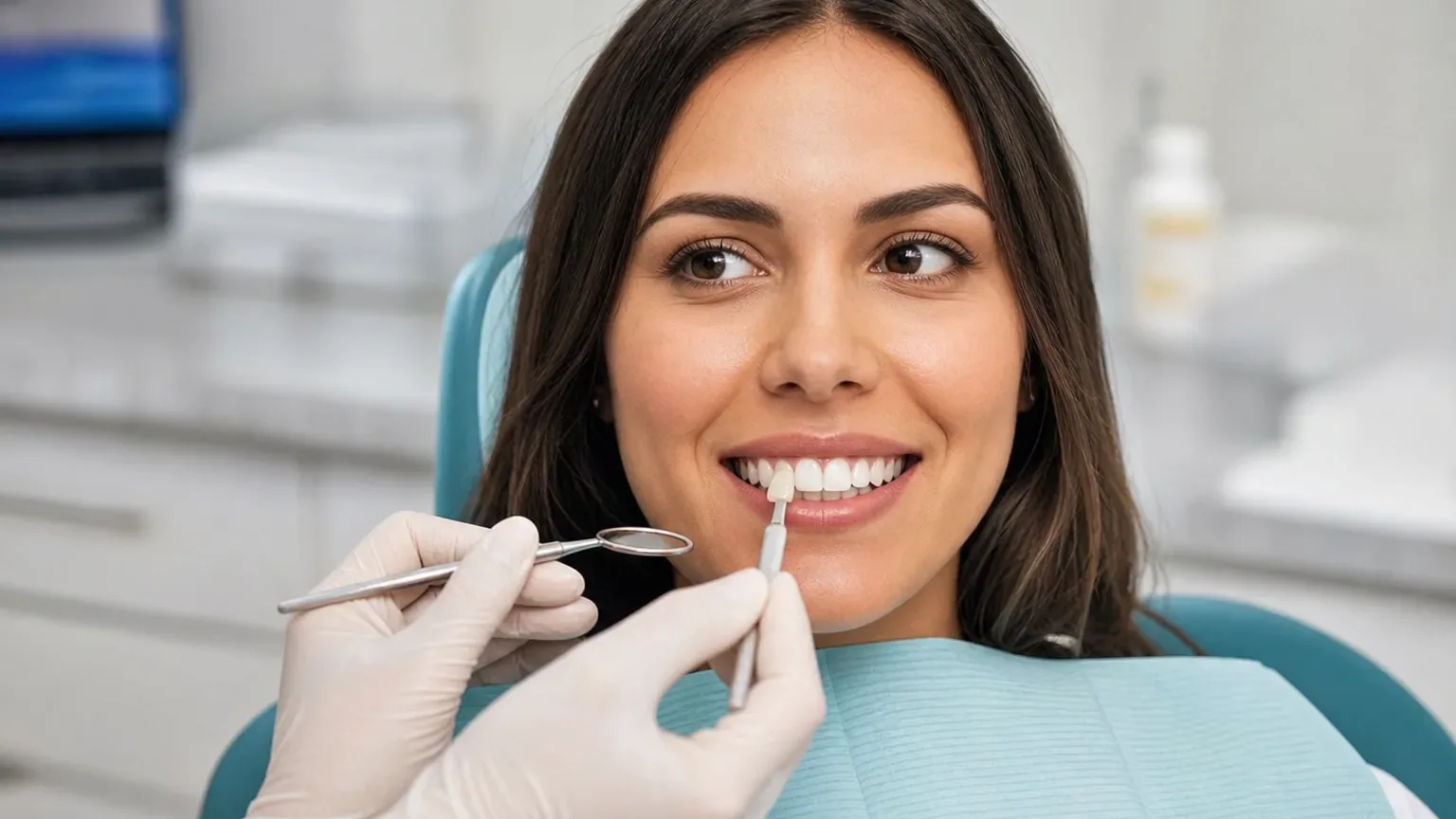
- Shade selection. Your dentist uses a shade guide to pick a resin color that matches your surrounding teeth.
- Surface preparation. The tooth is lightly etched with a conditioning solution to help the resin adhere.
- Resin application. The putty-like composite is applied in layers, sculpted to the correct shape.
- Curing. A blue LED light hardens each layer in seconds.
- Finishing. The dentist trims, smooths, and polishes the bonded area until it blends with the rest of the tooth.
You leave the office with the finished result. There is no waiting for a dental lab to fabricate a restoration.
How Long Does Dental Bonding Last?
Composite resin bonding typically lasts 5–10 years before it needs touching up or replacing. Longevity depends on how the bonded tooth is used and how well you maintain it. Biting into hard foods, chewing ice, or using your teeth to open packages all shorten the lifespan of the resin. The material is also more prone to staining than porcelain, so heavy coffee, tea, or red wine consumption can discolor it over time.
With routine dental cleanings, twice-yearly checkups, and reasonable dietary habits, many patients in San Diego get a full decade out of their bonding. Polishing during a routine cleaning appointment can restore surface shine when the resin begins to look dull.
Bonding vs. Veneers - Which Is Right for You?
The right choice depends on what you are trying to fix and how much you want to invest. Bonding is faster, reversible, and far less expensive. It is an excellent solution when the underlying tooth is healthy and the cosmetic issue is limited in scope. Veneers, which run $900–$2,000 per tooth in porcelain, require removing a thin layer of enamel permanently, so they are a longer-term commitment.
Patients who want to address a single chipped tooth or close a small gap usually do better with bonding. Those who want to redesign the shape, length, and color of multiple teeth at once often get a more durable, consistent result from veneers. A good San Diego cosmetic dentist will walk you through both options and help you decide based on your teeth, your timeline, and your budget.
Can Bonding and Whitening Be Combined?
Yes, but the order matters. Composite resin does not respond to whitening agents the way natural enamel does. If you whiten after bonding, the natural teeth brighten while the bonded areas stay the same shade, creating a visible mismatch. The correct approach is to whiten first, let the shade stabilize for about two weeks, and then have bonding done to match the new, lighter color. San Diego dentists who offer both services can plan this sequence in a single treatment plan.
Choosing a Dental Bonding Provider in San Diego
San Diego has a large number of general and cosmetic dentists who offer composite resin bonding. When evaluating practices, ask to see before-and-after photos of actual bonding cases, not just veneers or implants. The skill of the dentist in shaping and color-matching the resin makes a significant difference in the final appearance.
Verify that the practice accepts your PPO plan if coverage is relevant, and ask directly about financing if the out-of-pocket cost is a concern. Most offices can give you a written estimate after a brief consultation. Same-day appointments for small chips are sometimes available, particularly at practices that have flexible scheduling for new patients.
If you are ready to fix a chip, close a gap, or brighten a stained tooth, contact a San Diego cosmetic dentist this week and ask for a bonding consultation. The procedure is quick, the cost is manageable, and the results are visible the same day.
Frequently Asked Questions
How Much Does Dental Bonding Cost in San Diego?
Dental bonding costs $200–$600 per tooth in San Diego. The exact price depends on the size of the repair, which tooth is involved, and the dental practice you choose. Many offices offer financing through providers like CareCredit or Sunbit to spread the cost over monthly payments.
How Long Does Dental Bonding Last?
Composite resin bonding typically lasts 5–10 years. Longevity depends on your habits: avoiding hard foods, ice, and excessive staining beverages, along with keeping up with routine dental cleanings, helps bonding reach the higher end of that range.
Is Dental Bonding Covered by Insurance in San Diego?
Most PPO plans treat bonding as cosmetic and do not cover it. If the bonding repairs a tooth broken by an injury or protects an exposed root, some plans classify it as restorative and may apply benefits. Check with your insurer before your appointment to confirm your coverage.
Does Dental Bonding Hurt?
Dental bonding is generally painless and usually requires no anesthetic. The tooth surface is conditioned with a mild etching solution, the resin is applied and shaped, and then cured with a light. Patients who have decay near the repair area or significant sensitivity may receive a local anesthetic.
What Is the Difference Between Dental Bonding and Veneers?
Dental bonding uses composite resin applied directly to the tooth and costs $200–$600 per tooth. Porcelain veneers cost $900–$2,000 per tooth and require removing a thin layer of enamel permanently. Bonding is faster, reversible, and more affordable, making it ideal for limited repairs like small chips or gaps. Veneers offer greater durability and are better suited for redesigning multiple teeth at once.